Casino Movement Analytics: Uncovering Patterns in Player Transitions From Slots to Live Tables
Erik Zimmermann · Jul 24, 2026
Casino Movement Analytics: Uncovering Patterns in Player Transitions From Slots to Live Tables
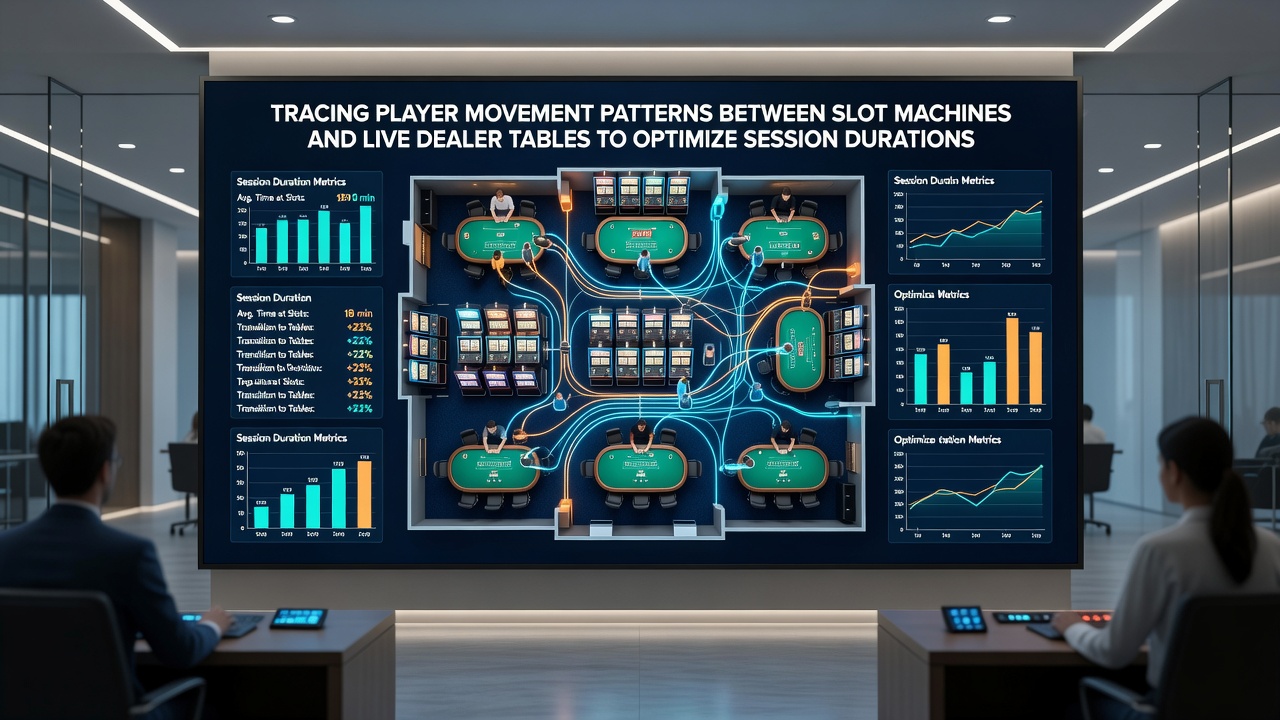
Analysts track player movement across casino floors through heat mapping systems and loyalty card data, and these records reveal consistent flows between slot machines and live dealer tables that influence how long sessions last. Research from the University of Nevada Reno Gaming and Hospitality Research Center shows that many players begin sessions at slots before shifting toward table games when certain conditions appear, such as nearby wins or table availability.
Observers note that these transitions often occur within the first 45 minutes of play, and data collected in major venues indicates that players who move strategically tend to extend their time on the floor by combining quick slot cycles with the paced rhythm of live dealer experiences. Patterns emerge when jackpot chases on slots give way to blackjack or roulette tables, where minimum bets and dealer interactions create different engagement levels.
Observed Transition Triggers
Studies indicate that visual cues like flashing progressive meters on nearby slots draw attention, yet many players then relocate when they spot open seats at live tables during peak hours. According to figures from the Nevada Gaming Control Board annual reports, average dwell times at slot banks decrease after 30 minutes unless a bonus round activates, prompting movement toward tables where session pacing feels more controlled.
People who've examined loyalty program datasets find that players frequently alternate between electronic games and human dealer interactions within single visits, and this switching behavior correlates with longer overall stays when the shift happens before bankroll fatigue sets in. In July 2026, updated tracking software rolled out across several integrated resort properties allowed operators to log these exact switch points with greater precision.
Data Patterns in Session Lengths
Evidence from multiple venue audits reveals that sessions lasting over two hours commonly include at least one transition from slots to live dealer areas, and the reverse movement appears less often once table play begins. Researchers at the Australian Institute of Criminology documented similar flows in land-based properties where electronic gaming machines sit adjacent to table pits, noting that players who complete a slot sequence often seek the social element of live games to sustain interest.
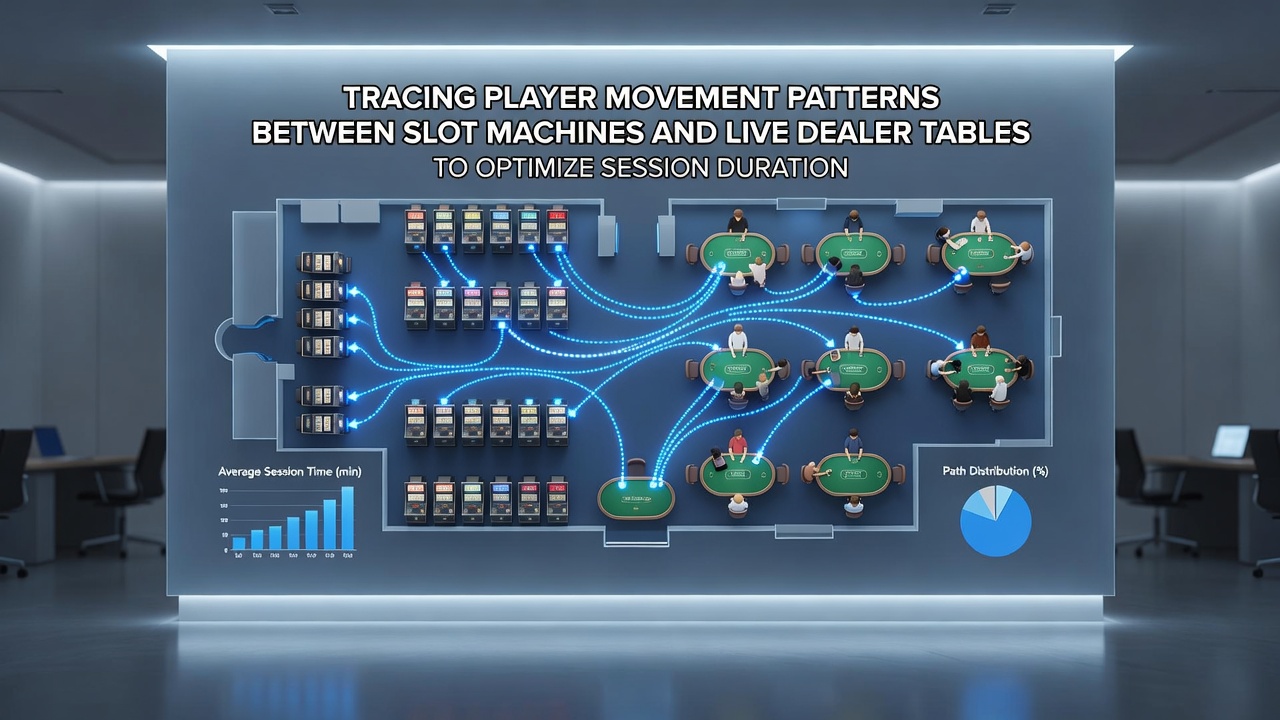
What's significant is how timing affects these choices, because data shows morning visitors tend to start at slots and migrate later while evening crowds often begin at tables before finishing at machines. External factors such as table minimum adjustments or slot jackpot resets also influence the direction of movement, and operators use this information to adjust floor layouts accordingly.
Practical Applications for Operators
Casino management teams apply movement data to position amenities like restrooms and refreshment stations along common pathways, and this placement encourages continued play rather than exits. Industry reports from the Canadian Gaming Association highlight that properties optimizing these routes report measurable increases in average session duration when live dealer tables remain visible from slot areas.
Take one large property that repositioned its roulette section closer to high-traffic slot banks, and subsequent tracking showed a 12 percent rise in combined play sessions according to internal metrics. Those who've studied these adjustments note that clear sightlines between zones reduce hesitation during transitions, while poor visibility leads players to end visits earlier.
Player Behavior Insights
Behavioral tracking further demonstrates that win streaks on slots frequently precede table visits, whereas losses at tables sometimes send players back to machines for quicker recovery attempts. Academic papers published through the International Gambling Studies journal examine these sequences across different jurisdictions, and the findings suggest that understanding movement helps both operators and players manage time on the floor more effectively.
Yet patterns vary by demographic, with younger visitors showing higher rates of rapid switching while older groups often settle into one zone for extended periods before moving. Real-time monitoring tools now capture these nuances, allowing venues to test layout changes and measure impacts on total visit length without relying solely on anecdotal feedback.
Conclusion
Tracking systems continue to refine how movement between slot machines and live dealer tables connects to session duration, and operators increasingly rely on these insights to design floors that support longer, more varied play. Data from regulatory bodies and academic sources underscores the value of mapping these patterns, while ongoing software improvements in 2026 promise even clearer pictures of player flows across gaming zones.